When a story begins to feel directionless, it's tempting to blame the absence of a villain. After all, someone has to make life difficult for the protagonist, right?
Well, not necessarily.
There are two ways to approach this question, and both deserve consideration.
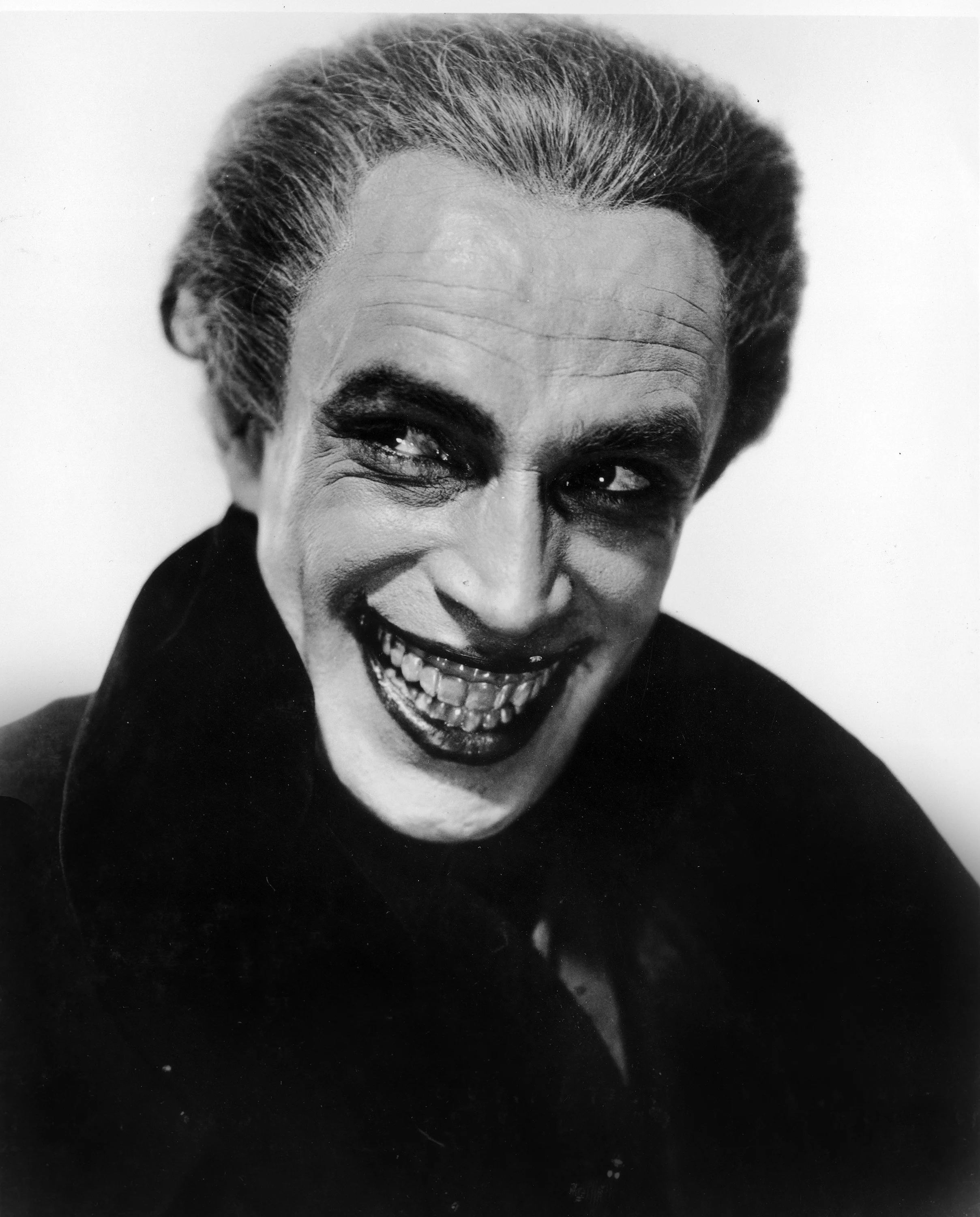
Yes, We Need A Villain!
Villains give readers someone to hold responsible. Their intentions create tension, their actions produce consequences, and their presence gives the protagonist something tangible to struggle against.
Look at Napoleon in George Orwell's Animal Farm. His pursuit of power gradually destroys the equality the animals fought to establish. Without his manipulation and cruelty, the story would probably fall completely flat.
Or how about Orwell's 1984? Winston Smith's greatest opposition comes from the Party, an oppressive political system that controls nearly every aspect of his existence. O'Brien eventually gives that system a recognizable human face.
In both novels, the opposition is deliberate and persistent. These antagonistic forces don't simply complicate the protagonists' lives; they actively prevent them from achieving what they want.
For writers, that kind of opposition offers a clear advantage: it creates a continuing source of conflict that can intensify as the story progresses.
Pfff, Villain Shimillain.
But what happens when nobody is particularly cruel, manipulative, or determined to ruin someone else's life?
Sally Rooney's Normal People offers an interesting answer.
In her award-winning novel, Connell and Marianne repeatedly hurt each other despite caring deeply about one another. Their relationship suffers under social expectations, financial differences, insecurity, and misunderstandings. When Connell cannot afford to remain in Dublin for the summer, his reluctance to ask Marianne for help contributes to a painful separation.
Neither character intends that outcome. Their personal insecurities, however, make an otherwise manageable problem considerably worse.
That is the strength of character-driven conflict. A protagonist's greatest obstacle may be their own behavior, an incompatible desire, or circumstances beyond anyone's control.
Still, writers should be careful. The absence of a villain does not excuse the absence of meaningful conflict. A character who worries endlessly but never faces a difficult decision may be emotionally complicated without being narratively compelling.
So, Which Is Right?
Both approaches work because villains and conflict serve different purposes.
A villain is a character defined, at least partly, by harmful intentions or actions. An antagonist is an opposing presence or force. Conflict is the struggle that develops when something important cannot be easily achieved.
These concepts can overlap, but they aren't interchangeable.
A story about a woman trying to rebuild her life after divorce, for example, doesn't automatically need an abusive ex-husband to become interesting. Perhaps her greatest challenge is accepting financial help from someone she desperately wants to prove she no longer needs.
The conflict emerges from what she wants, what she fears, and what she must sacrifice.
Ultimately, the better question isn't whether your story needs a villain. It's whether your protagonist faces opposition strong enough to demand difficult choices.
Readers don't always need someone to hate. They need a reason to care about what happens next.
